Why Does an Almighty God Allow Suffering?
Why does an almighty and good God allow suffering? A biblical reflection on sin, suffering, God's sovereignty, the cross of Christ, and the hope of a world without death and pain.

Why Does an Almighty God Allow Suffering?
“Where were you when I laid the foundation of the earth?”
Job 38:4
A Question Too Painful to Leave Unanswered
There are questions people do not ask out of curiosity.
They ask them when they no longer know where to turn.
Why do the people we love die?
Why does illness come to a child?
Why does the righteous suffer while the wicked sometimes live in prosperity?
Why does God not stop war?
Why does He not answer a prayer?
And ultimately:
If God is almighty, good, and loving — why does He allow suffering?
This question is often raised as an argument against the existence of God.
But the Bible takes us deeper.
The problem of suffering does not begin with the question of whether God exists.
It begins with the question of what happened to His good creation.
The World Was Not Created This Way
Before the Bible tells us about death, pain, sickness, and the curse, it tells us about creation.
God creates.
God looks upon what He has created.
And God calls it good.
“Behold, it was very good.”
Genesis 1:31
This is fundamentally important.
The Bible does not begin by saying:
“God created a world in which people were meant to suffer.”
Suffering was not the original purpose of creation.
Death was not the final word.
Decay was not the norm.
Hostility between humanity and God was not the design.
But humanity rebelled against the Creator.
And everything changed.
Sin Brought Into the World What Was Not in God’s Good Creation
The Fall was not merely the breaking of one rule.
It was creation refusing to trust the Creator.
Humanity wanted to determine good and evil for itself.
And the consequences were far deeper than simply feeling guilty.
Humanity's relationship with God was broken.
Relationships between people were broken.
The ground was cursed.
And death entered human existence.
God said to Adam:
“Cursed is the ground because of you.”
Genesis 3:17–18
And then:
“By the sweat of your face you shall eat bread, till you return to the ground.”
Genesis 3:19
Therefore, the biblical explanation of suffering does not begin with the words:
“God is pleased when people suffer.”
Quite the opposite.
The world in which we live is a broken creation.
Paul describes creation as groaning together in the pains of childbirth until now (Romans 8:22).
Suffering reminds us that this world is not yet what it will be when God finally restores all things.
But Does This Mean That Every Suffering Is Punishment for a Specific Sin?
No.
And this is extremely important.
People often want to find a simple formula:
suffering → therefore someone sinned.
But Jesus Himself rejects such an explanation.
When the disciples saw a man who had been blind from birth, they asked Jesus who had sinned — the man or his parents.
They wanted to find a specific guilt that would explain a specific suffering.
But Jesus did not accept their formula.
He answered:
“It was not that this man sinned, or his parents.”
John 9:3
Therefore, we must be very careful.
Not every illness is punishment.
Not every tragedy is the direct consequence of personal sin.
Not every loss means that God is punishing someone.
Sometimes we can see the reason for suffering. Sometimes we cannot.
And the Bible does not give us permission to invent God's reasons where God has not revealed them.
The Book of Job Destroys Our Need to Explain Everything
Perhaps the deepest biblical example of this is the book of Job.
Job was a righteous man.
Yet he loses almost everything.
His children.
His possessions.
His health.
His stability.
And most painfully — he does not know why this is happening.
His friends come to him.
They want to explain his suffering.
They need a simple system:
if Job is suffering, there must be some hidden sin in his life.
But the book of Job gradually shows that their theological system is inadequate.
Job does not receive a detailed explanation of every reason for his suffering.
Instead, God speaks to him.
And the Lord asks:
“Where were you when I laid the foundation of the earth?”
Job 38:4
God does not tell Job:
“You are intelligent enough to understand all My purposes.”
He reveals the vastness of God's wisdom.
And here we see an important principle:
The fact that we cannot explain something does not mean that God has no answer.
Our lack of knowledge is not evidence of God's absence.
God's Sovereignty Does Not Mean That God Is the Author of Evil
Here we need to make an important theological distinction.
The Bible teaches simultaneously:
God is sovereign over history.
And:
God is holy and is not the source of moral evil.
Human evil remains human evil.
Betrayal remains betrayal.
Murder remains murder.
Injustice remains injustice.
God does not cease to be holy simply because He allows a world to exist in which human beings can do evil.
We see this most clearly at the cross.
People rejected Christ.
They condemned the Innocent One.
They nailed Him to the cross.
Their actions were sinful.
Yet through that very event, God accomplished His saving purpose.
Human sin could not destroy God's plan.
This does not mean that evil became good.
It means that God is so sovereign that even evil cannot ultimately overcome Him.
God Does Not Simply Watch Human Suffering
The Christian answer is not that somewhere far away there is a God who simply watches humanity suffer.
God came into this world.
Jesus Christ knew hunger.
Fatigue.
Rejection.
Betrayal.
Loneliness.
Injustice.
Death.
When Christ came to the tomb of Lazarus, He saw people weeping.
And Scripture says:
“Jesus wept.”
John 11:35
It is one of the shortest sentences in the Bible.
But it reveals something enormous.
God is not indifferent to our pain.
In Christ, He entered our history.
He did not remain distant.
Christ Did Not Simply See Suffering — He Bore It
There is a difference between watching someone's pain and willingly entering into it.
The cross is not simply the death of Jesus.
It is the center of God's saving purpose.
The One who was without sin bore what belonged to sinners.
The One who did not deserve death willingly accepted death.
And here we see the paradox of the Gospel:
the greatest evil people committed against the Son of God was used by God to accomplish the greatest good — the salvation of sinners.
Therefore, the cross does not answer every “why?” we ask.
But it answers another, deeper question:
Did God leave us alone in our fallen condition?
No.
He came.
But Why Doesn't God Stop Suffering Right Now?
Here we reach the most difficult part.
If God can defeat evil, why does He not do so immediately?
Why does the world still suffer?
Why is there still death after the cross?
Why do people still become sick after Christ's resurrection?
The Bible shows that we live between what has already been accomplished and what has not yet been completed.
Christ has already conquered death.
But the final destruction of death is still ahead.
The kingdom has already come.
But its fullness has not yet been revealed.
Salvation has already been given.
But the body still awaits its final redemption.
Paul writes:
“The creation waits with eager longing for the revealing of the sons of God.”
Romans 8:19
And:
“The whole creation has been groaning together in the pains of childbirth until now.”
Romans 8:22
And concerning believers:
“We ourselves... groan inwardly as we wait eagerly for adoption as sons, the redemption of our bodies.”
Romans 8:23
This is a very important biblical picture.
The Christian does not live in a world where suffering has already disappeared.
He lives in a world that is waiting for final restoration.
Christianity Does Not Call Suffering Good
This needs to be said plainly.
Sometimes Christians try to explain someone else's pain too quickly:
“God wanted this to happen.”
“You needed to go through this.”
“Everything happens for a reason.”
But we do not know God's hidden purpose behind every particular tragedy.
The book of Job teaches us precisely this.
There are things God has revealed.
And there are things He has kept hidden.
Therefore, faith is not the ability to explain every tragedy.
Faith is trusting God where explanations end.
But God Can Use What We Do Not Understand
Paul writes:
“For those who love God all things work together for good.”
Romans 8:28
But what does this “good” mean?
The following verse answers:
“To be conformed to the image of his Son.”
Romans 8:29
Therefore, “good” in this passage does not simply mean a comfortable life.
It does not mean the absence of problems.
It does not mean material success.
It does not mean a life without pain.
God is leading His people toward conformity to Christ.
Sometimes He removes the trial.
Sometimes He leads us through it.
Sometimes we receive what we asked for.
Sometimes the answer comes differently.
But God's purpose is deeper than our temporary well-being.
He is preparing His children for glory.
Suffering Can Become the Place Where Faith Stops Being Theory
It is easy to talk about trusting God when everything is going well.
It is easy to say:
“God is sovereign.”
Until we lose control.
It is easy to say:
“God is good.”
Until life brings us something we cannot accept.
But it is precisely in suffering that faith moves from the level of statements to the level of trust.
Job says:
“The LORD gave, and the LORD has taken away; blessed be the name of the LORD.”
Job 1:21
This does not mean Job did not weep.
He wept.
He asked questions.
He did not hide his pain.
But in the middle of all of it, he did not stop seeking God.
Biblical faith does not forbid us from weeping before God.
It teaches us to trust Him even when we do not understand His ways.
Why, Then, Does James Tell Us to Rejoice in Trials?
James writes:
“Count it all joy, my brothers, when you meet trials of various kinds.”
James 1:2–3
This is not a command to rejoice in pain itself.
Pain does not become pleasant.
Loss does not stop being loss.
Death does not stop being an enemy.
The Christian's joy is found somewhere else:
God can make even a trial a place of spiritual growth.
Trials reveal what we truly depend on.
They expose the illusion of our control.
They teach perseverance.
They teach prayer.
They teach dependence upon God.
Sometimes they lead us somewhere we would never have gone voluntarily.
But the Final Answer Is Not Found in This World
If Christianity ended with the words:
“Learn to accept suffering,”
it would be a very weak hope.
But the Gospel looks further.
The Bible speaks of a day when God will not simply explain suffering.
He will bring it to an end.
“Death shall be no more, neither shall there be mourning, nor crying, nor pain anymore.”
Revelation 21:4
Notice this.
God does not say:
“Death never existed.”
He says:
“Death shall be no more.”
God does not say that tears never existed.
He says that He will wipe them away.
He does not explain pain away as an illusion.
He promises a world in which pain will be no more.
And then the Lord says:
“Behold, I am making all things new.”
Revelation 21:5
This is where the biblical story is moving.
Not backward to Eden simply as a return to the past.
But forward — toward new creation, where God's presence will no longer be overshadowed by sin and death will no longer have power.
Christian Hope Is Not an Explanation of the Past. It Is a Promise About the Future
We may not know why a particular person became sick.
We may not know why a particular tragedy happened.
We may not know why God answered one prayer and did not answer another in the same way.
We may not know why one pain lasted a day and another lasted for years.
But we know something more important.
We know what God is like.
He is holy.
He is good.
He is just.
He is merciful.
He did not abandon humanity after the Fall.
He came in Christ.
He bore the cross.
He rose again.
And He has promised to complete what He began.
Therefore, our hope does not rest on the fact that one day we will understand every decision God has made.
Our hope rests in God Himself.
So Why Does an Almighty God Allow Suffering?
We can answer only with what Scripture reveals.
Suffering was not the original purpose of God's good creation.
Sin entered the world and brought death, decay, and pain.
Not every particular suffering is punishment for personal sin.
God remains sovereign even when His ways exceed our understanding.
God did not remain distant from human suffering — He came in Christ.
On the cross, Christ bore sin, and in His resurrection He conquered death.
God can use even suffering for the sanctification and transformation of His children into the likeness of Christ.
But God's final answer to suffering is still ahead: a new creation where death, mourning, crying, and pain will be no more.
Therefore, we should not invent an answer where God has not revealed one.
And we should not pretend that we are not hurting.
We can weep.
We can ask questions.
We can fail to understand.
We can even, like Job, cry out to God.
But through all of it, one thing remains most important:
God has not lost control.
History does not end with suffering.
Death does not have the final word.
Evil will not win.
The cross leads to resurrection.
And the present groaning of creation leads toward the day when God will make all things new.
Therefore, perhaps the deepest question is no longer:
“Why does God allow my suffering?”
But:
“Will I trust God when I do not understand Him?”
Because one day we will see what we cannot see today.
And then the question “why?” will no longer be the final word.
God will have the final word.
In this series
You may like to read next
-

“Follow Me”: What Does It Really Mean to Follow Christ?
What does it really mean to follow Jesus Christ? A deep biblical reflection on faith, repentance, self-denial, the cross, obedience, discipl
13 min read -

Is Jesus Truly God?
Is Jesus truly God? A deep biblical examination of Christ's divinity, His eternal existence, creation, authority to forgive sins, worship, r
16 min read -
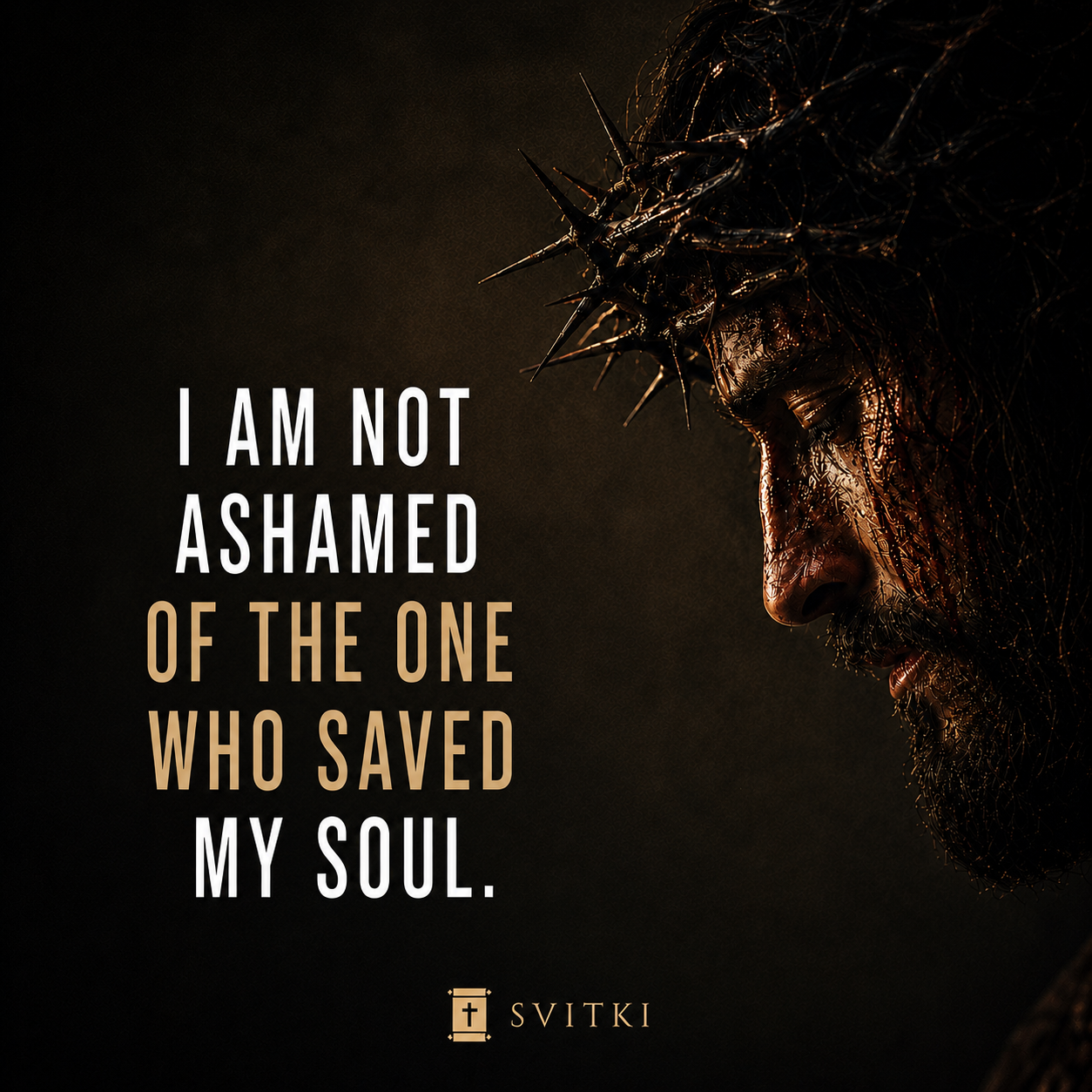
Why Did Jesus Have to Die on the Cross?
Why did Jesus have to die on the cross? A biblical reflection on sin, sacrifice, God's justice and mercy, the death of Christ, and His resur
11 min read -
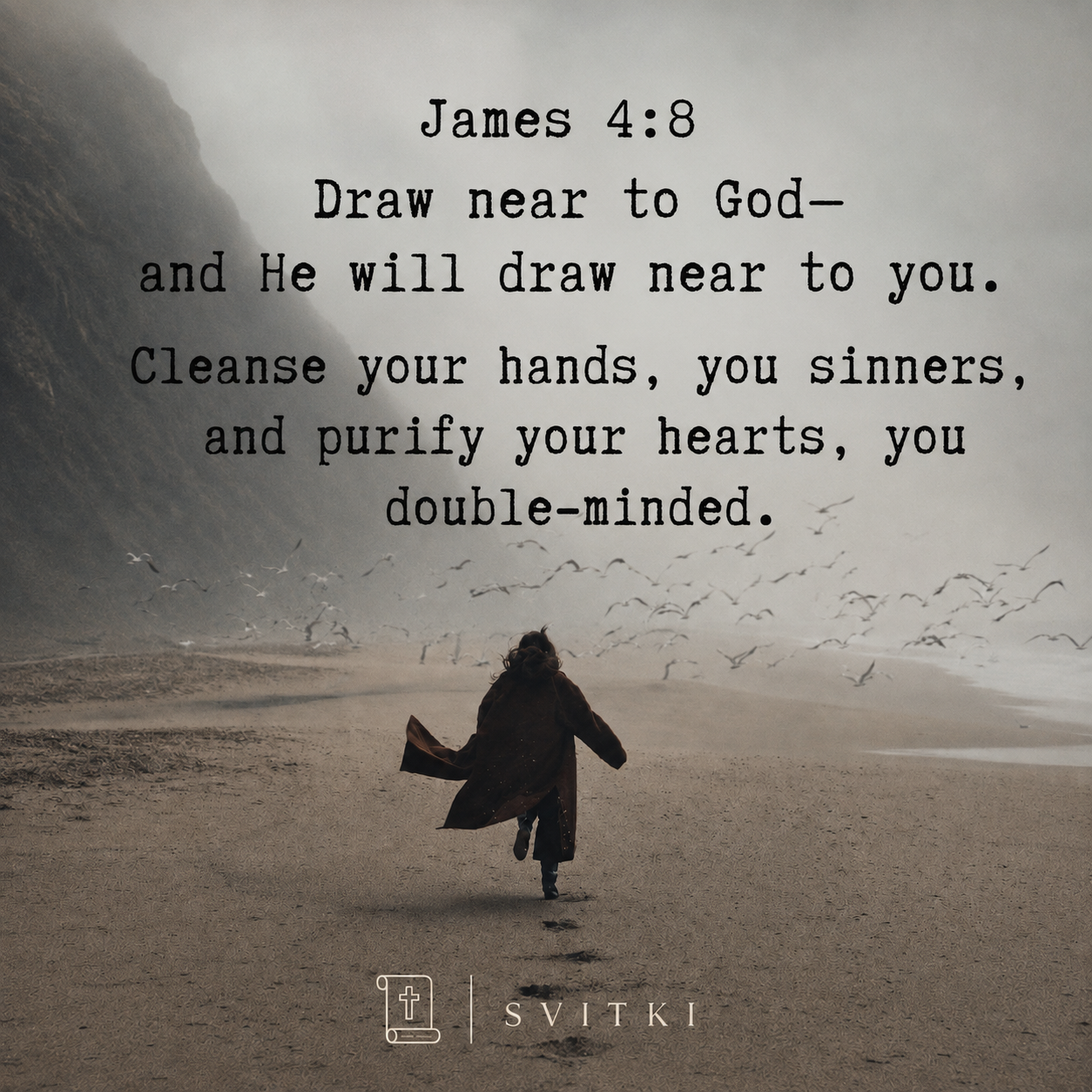
Can a Sinful Person Draw Near to a Holy God?
Can a sinful person draw near to a holy God? A reflection on God’s holiness, human sin, repentance, and the way to the Father through Jesus
8 min read