Why Did Jesus Have to Die on the Cross?
Why did Jesus have to die on the cross? A biblical reflection on sin, sacrifice, God's justice and mercy, the death of Christ, and His resurrection.
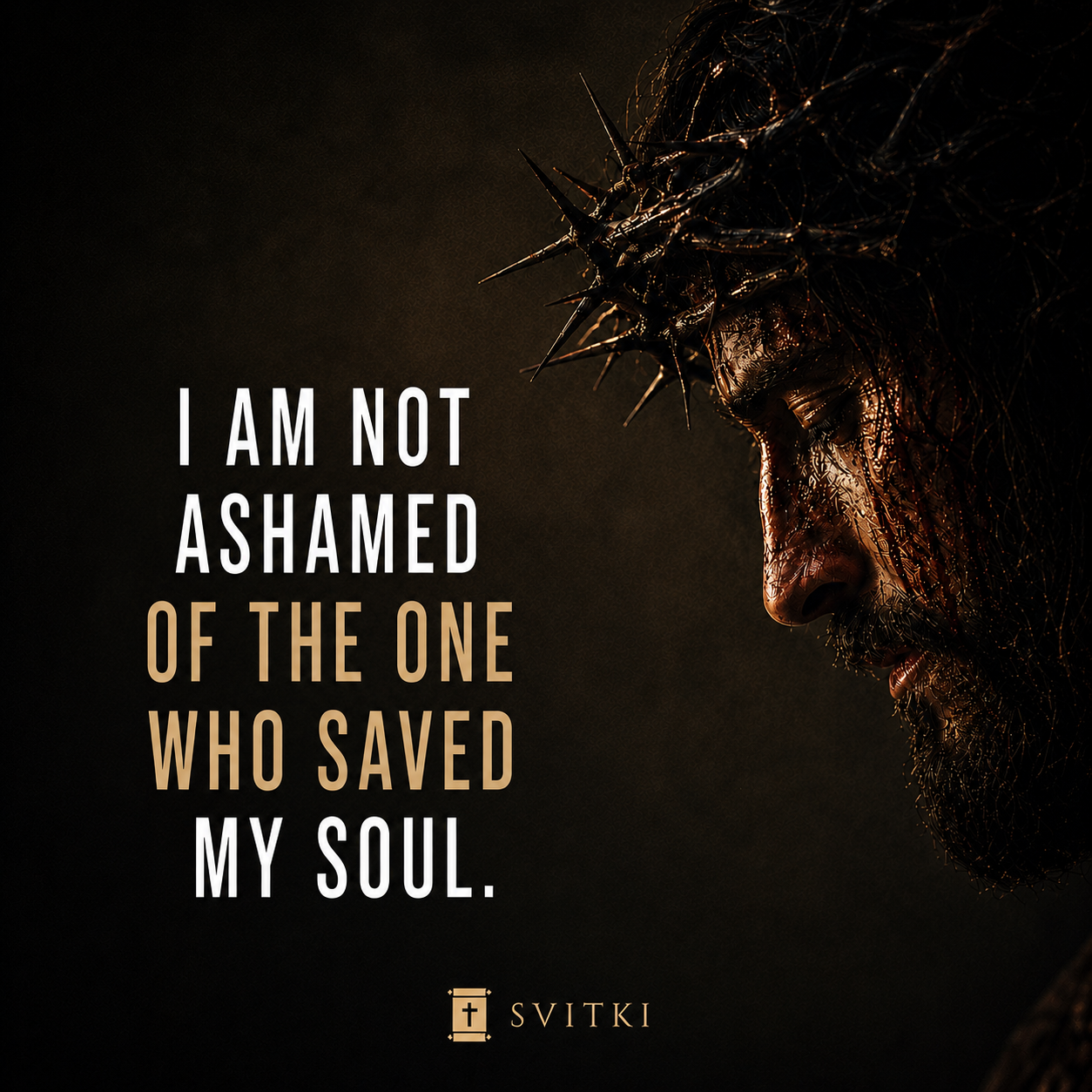
Why Did Jesus Have to Die on the Cross?
“Christ died for our sins in accordance with the Scriptures”
1 Corinthians 15:3
A Question That Leads Straight to the Heart of the Gospel
Why did Jesus have to die?
Why could God not simply forgive humanity?
Why is salvation connected specifically with the death of Christ?
Why did the cross become the center of the Christian message?
The apostle Paul speaks about the Gospel not as one of many Christian ideas, but as the message he himself received and delivered to the Church:
“Christ died for our sins in accordance with the Scriptures, that he was buried, that he was raised on the third day in accordance with the Scriptures.”
1 Corinthians 15:3–4
Christ died.
For our sins.
And He rose again.
To understand why the cross was necessary, we must begin not with the cross.
We must begin with sin.
The Problem Does Not Begin with the Cross. It Begins with Sin
The Bible does not describe sin merely as a mistake or human imperfection.
Sin entered human life as rebellion against God.
“For all have sinned and fall short of the glory of God.”
Romans 3:23
The problem with humanity is not simply that people do wrong things.
The problem is deeper.
Humanity stands before a holy God as sinful.
And therefore the question of salvation cannot simply be reduced to making people somewhat better.
The question is how a sinner can be reconciled to God.
If God Simply Forgives Sin — Is That Justice?
We often think of forgiveness as something simple.
A person is guilty.
They are told, “I forgive you.”
And the matter is finished.
But the Bible presents the problem more deeply.
God is righteous.
Sin is not a small matter to Him.
Scripture says:
“So that he might be just and the justifier of the one who has faith in Jesus.”
Romans 3:26
Therefore the question is not simply whether God can forgive.
The question is how God remains righteous while justifying the sinner.
And the answer of the New Testament leads us to Christ.
Why Does the Bible Speak So Much About Sacrifice?
Long before Calvary, the Bible was already speaking the language of sacrifice.
In the Old Testament, sacrifice is repeatedly connected with sin, cleansing, and reconciliation.
Scripture says:
“For the life of the flesh is in the blood.”
Leviticus 17:11
And Hebrews says:
“Without the shedding of blood there is no forgiveness of sins.”
Hebrews 9:22
The sacrifices of the Old Testament were not an accidental part of worship.
They pointed forward.
To Christ.
Jesus Was Not Simply a Teacher Who Showed Us the Way
Jesus came not merely to teach.
Not merely to provide an example.
Not merely to call people to become better.
When John the Baptist saw Jesus, he said:
“Behold, the Lamb of God, who takes away the sin of the world!”
John 1:29
This is an extraordinarily important testimony.
Jesus is called the Lamb.
He did not come merely to speak about salvation.
He came to accomplish it.
Christ Did Not Die for His Own Sins
Scripture speaks of Christ as the One who knew no sin.
“For our sake he made him to be sin who knew no sin.”
2 Corinthians 5:21
Christ did not die because He was guilty Himself.
He had no sin of His own for which He needed to die.
And that is precisely why His death has meaning for others.
“Christ Died for Our Sins”
The apostle Paul states the message of the Gospel with remarkable directness:
“Christ died for our sins in accordance with the Scriptures.”
1 Corinthians 15:3
Not simply:
Christ died.
But:
Christ died for our sins.
The cross is connected with human sin.
And therefore the cross cannot be separated from the question of salvation.
On the Cross, Christ Bore Our Sin
Long before Christ, the prophet Isaiah spoke about the Servant of the Lord:
“He was wounded for our transgressions; he was crushed for our iniquities.”
Isaiah 53:5
And further:
“The LORD has laid on him the iniquity of us all.”
Isaiah 53:6
Scripture says of Christ:
“He himself bore our sins in his body on the tree.”
1 Peter 2:24
The cross is connected with sin.
Sin is connected with death.
And Christ willingly gave Himself.
Why the Cross?
The Bible speaks of Christ's death not merely as death.
It speaks of the cross as the fulfillment of God's purpose.
Paul writes:
“Christ redeemed us from the curse of the law by becoming a curse for us.”
Galatians 3:13
The cross was not an accident.
Jesus did not end up there because events had somehow escaped God's control.
Jesus Himself said:
“I lay down my life that I may take it up again.”
John 10:17–18
His death was voluntary.
But Did God the Father Simply Punish His Son Instead of Us?
This question cannot simply be avoided.
The cross does not mean that the Father and the Son stood on opposite sides of salvation.
Scripture says:
“For God so loved the world, that he gave his only Son.”
John 3:16
And again:
“While we were still sinners, Christ died for us.”
Romans 5:8
The cross is not a story about God being unwilling to save.
The cross is the center of God's action to accomplish salvation.
At the Cross, God Showed the Seriousness of Sin
If sin does not matter, the cross becomes incomprehensible.
If human beings can simply repair their condition before God by themselves, the cross becomes unnecessary.
But the Gospel says something else.
Christ died for our sins.
Not someone else's.
Ours.
That is why the cross reveals the true weight of sin.
The Cross Shows Not Only God's Justice, but God's Love
At Calvary, we do not have to choose between God's justice and God's love.
The Bible speaks of both.
“So that he might be just and the justifier of the one who has faith in Jesus.”
Romans 3:26
And at the same time:
“Christ died for us.”
Romans 5:8
At the cross we see the seriousness of sin.
And we see the greatness of God's love.
The Cross Is Where Justice and Mercy Meet
The Gospel does not say:
“God simply pretended that sin did not exist.”
Nor does it say:
“Humanity must make itself righteous.”
The Gospel says:
Christ died for sins.
And therefore Paul writes:
“In him we have redemption through his blood, the forgiveness of our trespasses.”
Ephesians 1:7
Salvation is not connected with our ability to become good enough.
It is connected with Christ.
But the Cross Without the Resurrection Is Not the Complete Gospel
Christ died.
But He did not remain in the grave.
Paul continues:
“He was buried, that he was raised on the third day in accordance with the Scriptures.”
1 Corinthians 15:4
The resurrection is not an addition to the story of the cross.
It is an essential part of the Gospel.
Therefore the apostle says:
“And if Christ has not been raised, your faith is futile and you are still in your sins.”
1 Corinthians 15:17
The cross leads to resurrection.
What Happens, Then, to the Person Who Believes in Christ?
Scripture says:
“Therefore, since we have been justified by faith, we have peace with God through our Lord Jesus Christ.”
Romans 5:1
And:
“He himself bore our sins in his body on the tree, that we might die to sin and live to righteousness.”
1 Peter 2:24
The cross does not merely change a person's future destiny.
It confronts a person with the question of how they live now.
Whom do they belong to?
Whom do they follow?
Where do they seek righteousness?
Therefore, the Cross Leaves No One Neutral
If Christ died for sins, the question cannot remain merely theoretical.
The Bible calls us:
“Repent therefore, and turn back, that your sins may be blotted out.”
Acts 3:19
The Gospel does not merely announce that Christ died.
It calls a person to respond.
With repentance.
With faith.
With turning to God.
So Why Did Jesus Have to Die on the Cross?
Because Scripture speaks of Christ as the One who died for our sins.
He was the Lamb of God.
He bore our sins.
He gave Himself for us.
He died.
He was buried.
And He rose again.
Therefore the cross is not simply a story about death.
It is the center of the Gospel.
“Christ died for our sins in accordance with the Scriptures, that he was buried, that he was raised on the third day in accordance with the Scriptures.”
1 Corinthians 15:3–4
Christ has come.
Christ died.
Christ rose again.
And now the question stands before every person:
What will you do with Christ?
Because the cross demands a response.
And the resurrection declares that death could not hold the One who came to save.
The cross leads to resurrection.
The resurrection leads to hope.
And salvation leads to Christ.
In this series
You may like to read next
-

“Follow Me”: What Does It Really Mean to Follow Christ?
What does it really mean to follow Jesus Christ? A deep biblical reflection on faith, repentance, self-denial, the cross, obedience, discipl
13 min read -

Is Jesus Truly God?
Is Jesus truly God? A deep biblical examination of Christ's divinity, His eternal existence, creation, authority to forgive sins, worship, r
16 min read -

Why Does an Almighty God Allow Suffering?
Why does an almighty and good God allow suffering? A biblical reflection on sin, suffering, God's sovereignty, the cross of Christ, and the
13 min read -
Can a Sinful Person Draw Near to a Holy God?
Can a sinful person draw near to a holy God? A reflection on God’s holiness, human sin, repentance, and the way to the Father through Jesus
8 min read